
Exhibition Archives
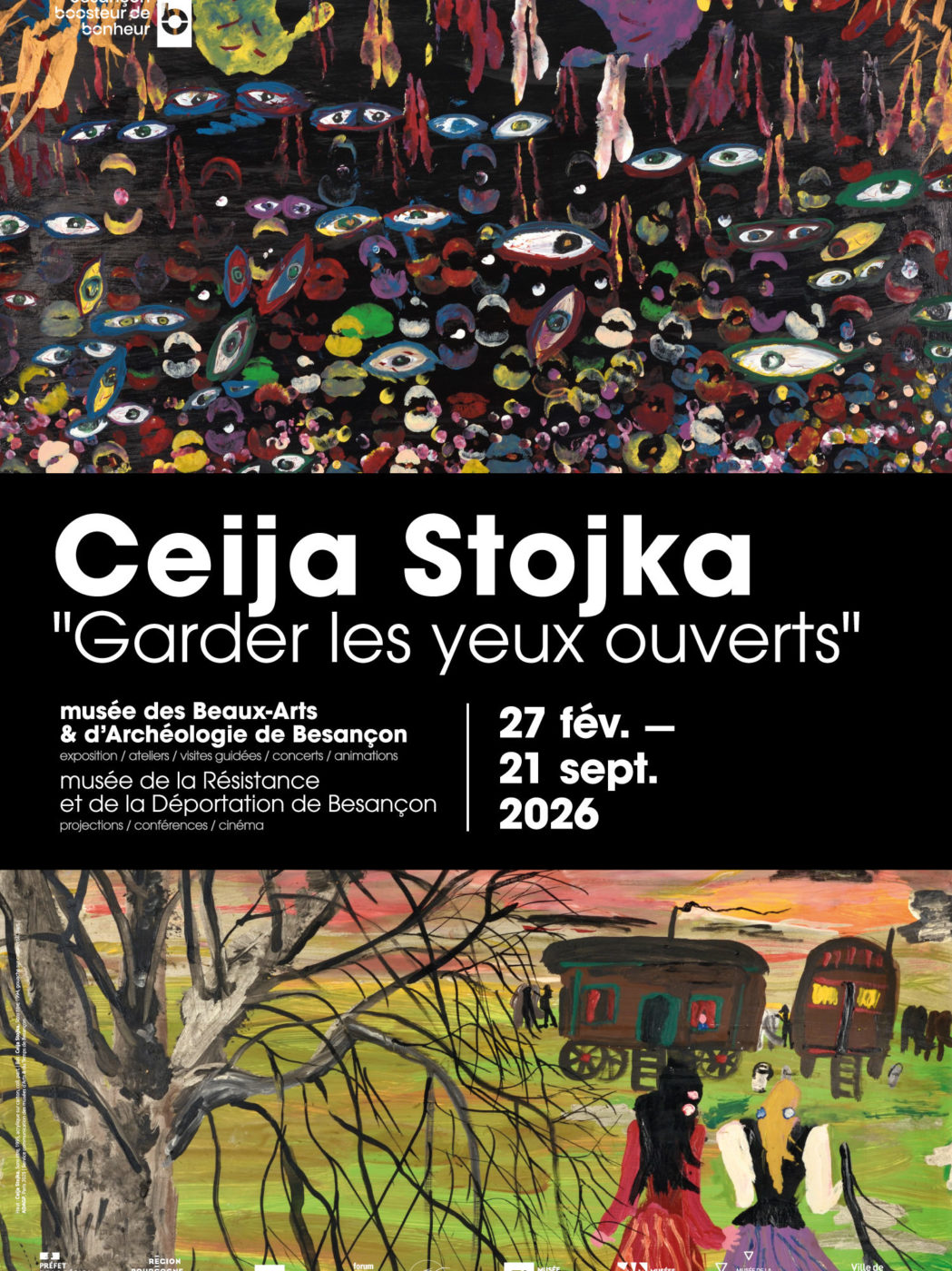
Ceija Stojka, “Keep Your Eyes Open”
(February 27–September 21, 2026)
Born in Austria into the Lovara Romani community, Ceija Stojka (1933–2013) was a self-taught artist—a writer, painter, and illustrator. A survivor of the Auschwitz, Ravensbrück, and Bergen-Belsen concentration camps, where she lived from 1943 to 1945—at the age of 10 to 12—she was one of the first to bear witness to the Nazi genocide of the Roma, more than forty years after the events took place.
She first published a book, *We Live in Hiding: Stories of a Romani Woman Through the Century*, in 1988. The following year, she began painting, an activity she continued until the final years of her life, creating about a thousand paintings and drawings over the course of 25 years.
Ceija Stojka is an artist who is now internationally recognized, associated with Art Brut, as well as an iconic figure representing the Romani people and their extermination during World War II.
The exhibition presented at the Museum of Fine Arts and Archaeology in Besançon, co-curated with the Museum of the Resistance and Deportation, invited the public to discover this female artist through an approach that blended art and history, aesthetics and memory. Featuring 113 works, primarily from private collections, the exhibition is divided into three sections, each exploring different facets of Ceija Stojka’s work. In the first section, her landscapes reveal her acute sensitivity to nature’s variations over time and across the seasons. The second section brings together images of deportation to Nazi concentration camps, blending the perspective of the child she once was with that of the adult she became. The third section focuses on the motif of the eye—a recurring and multifaceted theme in Ceija Stojka’s work; this eye is also the one through which she portrays the world of the 1990s and 2000s, an eye deeply imbued with humanity.
In the exhibition halls of the Museum of the Resistance and Deportation, the two documentary films directed by Karin Berger about Ceija Stojka were shown on a loop:
- Ceija Stojka, 1999, 85 minutes, original version with French subtitles, Navigator Film production.
- Green Grass Under the Boards, 2005, (“Unter den Brettern hellgrünes Gras”), 52 minutes, original version with French subtitles, Navigator Film production
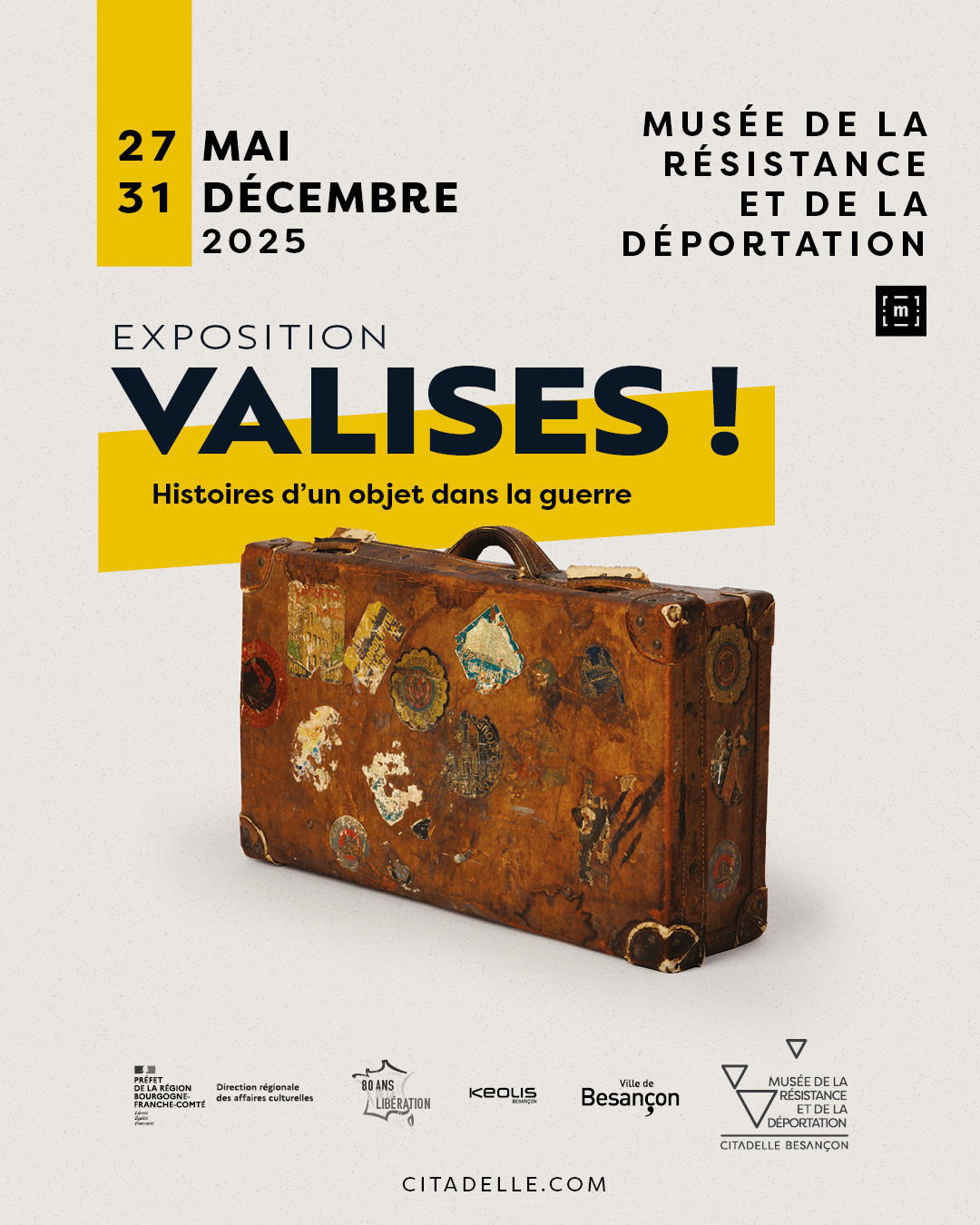
Suitcases! Stories of an Object in War
(May 27, 2025, to January 4, 2026)
For this temporary exhibition, the museum has designed a tour centered on an everyday object: the suitcase. While today it is synonymous with escape or travel, it also illustrates other realities in the context of World War II: the exile of Spanish Republicans, the exodus, the Resistance’s struggle, deportation, the extermination of the Jews, and the preservation of historical records for future generations. Drawing on its own collections and thanks to numerous loans, the museum aims to explore this object and its various uses. As a history museum and a tool for civic engagement, the Museum of the Resistance and Deportation thus continues its reflection on history, the traces that remain today, and the questions they raise in our contemporary world.
Available for purchase at the Museum of the Resistance and Deportation gift shop, in bookstores, and directly from the publisher
*Suitcases! Stories of an Object in War* – Published by SilvanaEditorial – August 2025
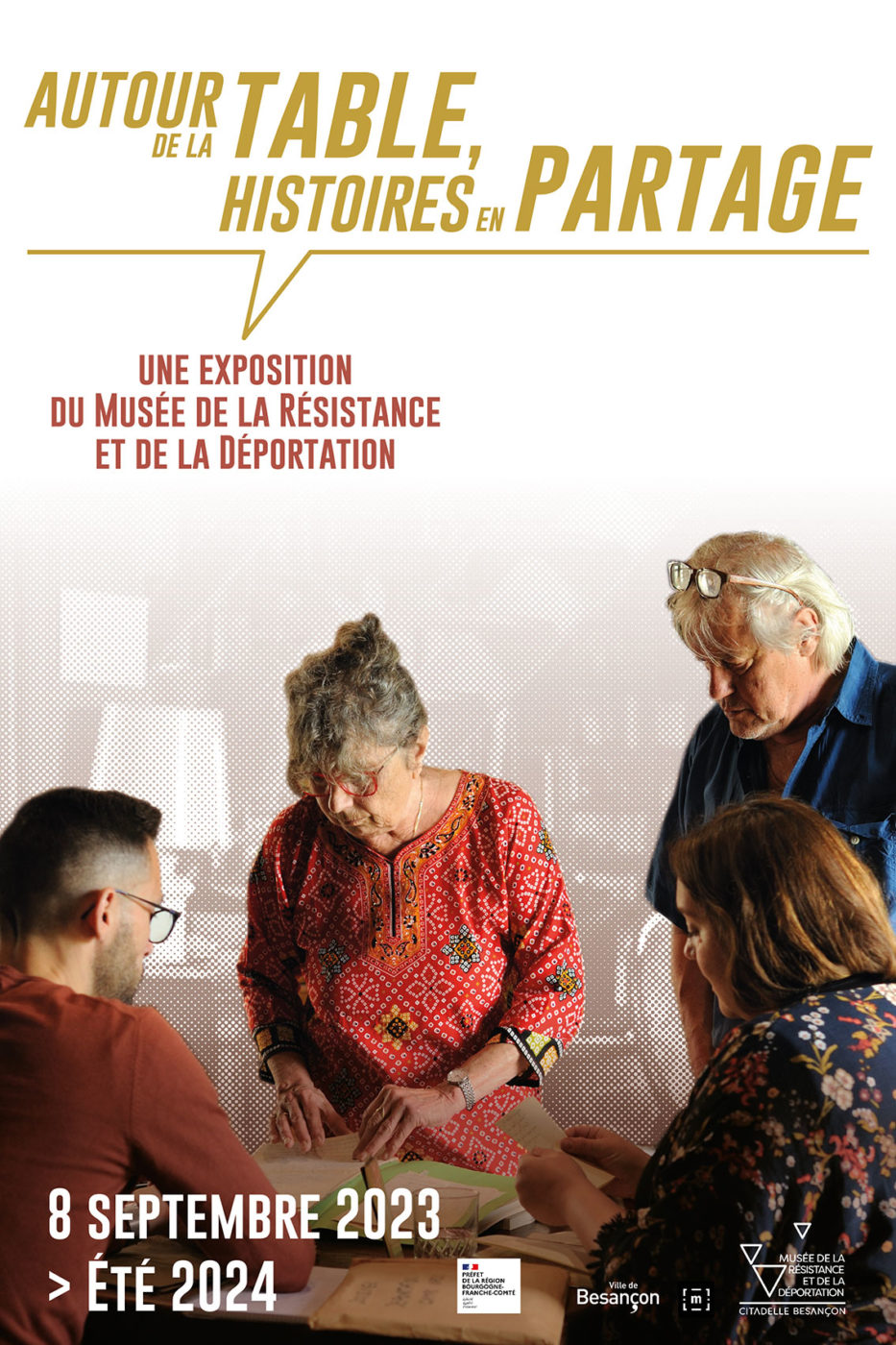
Gathering Around the Table: Sharing Stories
(September 8, 2023, through September 29, 2024)
To mark its reopening, the museum has chosen to highlight its special relationship with its donors. Since its founding in the late 1960s, it has built its collection from objects and archival materials donated by former members of the Resistance and deportees, and later by their families.
Over the years, he has developed considerable expertise in this field, documenting not only the personal stories and life journeys of those who lived through World War II, but also their place in collective memory and the ways in which that memory is passed down.
Through a series of encounters with donors captured by photographer Brigitte Chartreux, this exhibition offers a behind-the-scenes look at these extraordinary meetings—the stories being told, the objects and archives being uncovered, and the emotions that move us. To fully convey the artistic, poetic, and deeply human dimensions of this essential work, the museum has created this exhibition combining photographs and narratives, because images and words are part of the same language.