1793
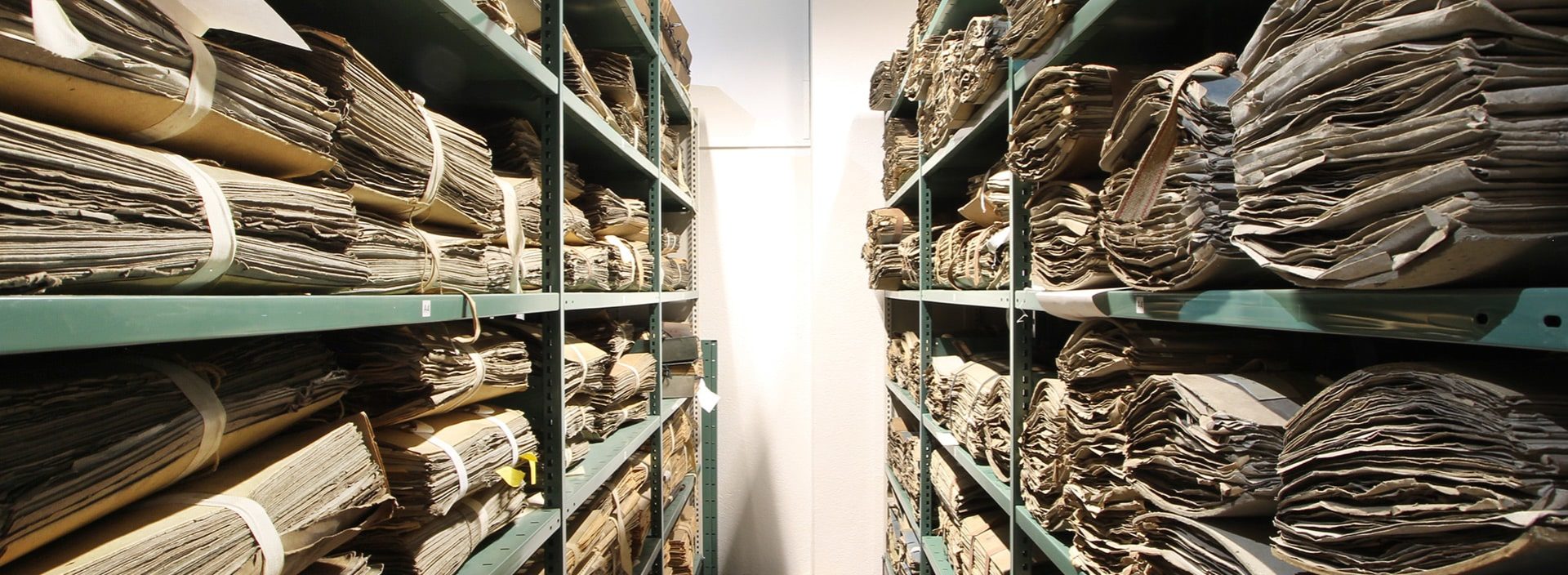
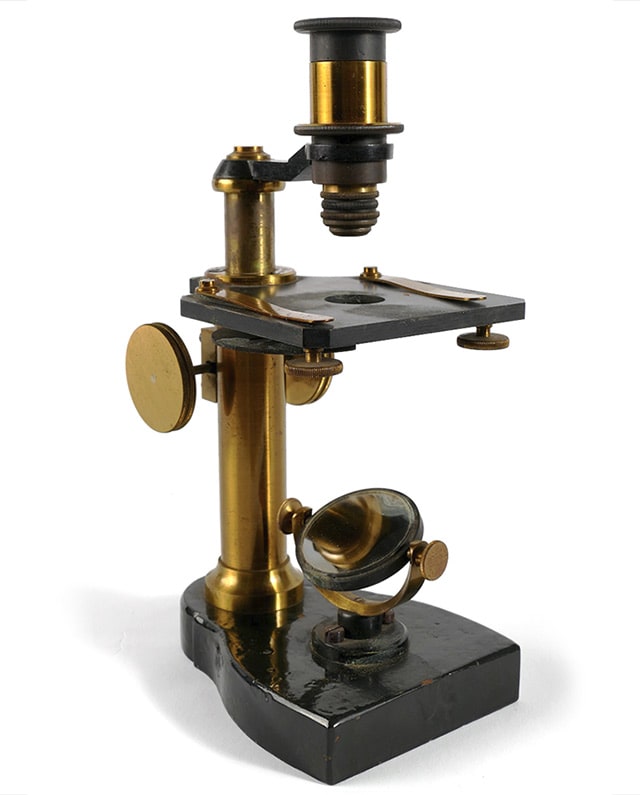
The earliest traces of the Besançon Natural History Museum, which would later be significantly expanded by the collections of the Faculty of Sciences.
1801
First inventory, which confirms the existence of a natural science collection that would subsequently be managed by the École Centrale until 1810.
1943
The Faculty of Sciences housed both a “Muséum Jurassien” (with collections in zoology, entomology, and botany) and a Museum of Geology (covering geology, mineralogy, and paleontology). Both museums came under municipal jurisdiction in 1945.
1959
The museum moved to the Citadel, where it opened a major
entomology exhibition.
1962
First live zoological and botanical exhibition.
1975
Creation of the Aquarium in the “Petit Arsenal.”
The 1980s
Until then, the zoo’s sole purpose had been to entertain its visitors by displaying live animals from local and foreign wildlife populations. Visitors could see bison, lions, panthers, wolves, zebras, bears, chimpanzees, and even… elephants! In the 1980s, the zoo embarked on a new direction with fresh goals: to improve the animals’ living and breeding conditions, the largest species were gradually transferred to other zoos with more spacious enclosures.
Early 1990s
Integration of the zoo into the Besançon Museum, with which it is gradually becoming more closely aligned through scientific initiatives. Within this framework, the missions of the future zoological garden are no longer limited to entertainment, but also include educating the public about living organisms (understanding the animal world), research (such as the study of animal behavior), and the conservation of endangered species.
1992
Creation of the Insectarium: stink bugs, longhorn beetles, diving beetles, water scorpions, grasshoppers, stick insects, rose chafer beetles, crickets, scorpions, cockroaches, tarantulas… Tens of thousands of insects and other arthropods, representing more than eighty different species, are on display for visitors to admire. Since then, the Besançon Museum has continued to uphold this unique approach: housing an impressive natural history collection (over one million items, including fossils, taxidermied animals, herbariums…), it has established itself as a center for conservation and education, not only supporting research (in taxonomy and genetics, reproductive physiology, veterinary science, ethology, and more), but also raising visitors’ awareness of environmental stewardship and the preservation of biodiversity.
1996
Creation of the Noctarium: By reversing the day-night cycle, visitors can catch a glimpse of the nocturnal lives of dozens of small mammals and amphibians native to our regions.
1998
Creation of the “Evolution Trail”: an area that traces the major stages of evolution in the animal kingdom through collections of taxidermy and osteological specimens, from the most primitive fish to the most highly evolved mammals / An initial phase of construction leading to the creation of a new Siberian tiger enclosure, a Japanese macaque enclosure, and a “Little Farm,” a fun space where children can interact closely with small domestic animals.
2003
Zoo renovation work: the big cat enclosure (lions and tigers) and the
primate moat.
2004
Renovation of the bird area, including the construction of a large aviary.
2017
Opening of the
Naturalium, which features a new permanent exhibition entirely dedicated to biodiversity. Working in harmony with the Museum’s various animal exhibits (the Zoo, Aquarium, Insectarium, Little Farm, and Noctarium), the Naturalium raises awareness among visitors of all ages about the richness of both local and international biodiversity, the importance of its ongoing evolution, the threats facing habitats and species, and the actions being taken to protect them.
2021
Renovation of the Aquarium to showcase the various aquatic ecosystems of the Doubs River, as well as the remarkably diverse flora and fauna they are home to.