
 Besançon Museum of the Resistance and Deportation
History Museum: A Tool for Civic Engagement
Besançon Museum of the Resistance and Deportation
History Museum: A Tool for Civic Engagement
This attraction is not recommended for children under 10.
The Museum
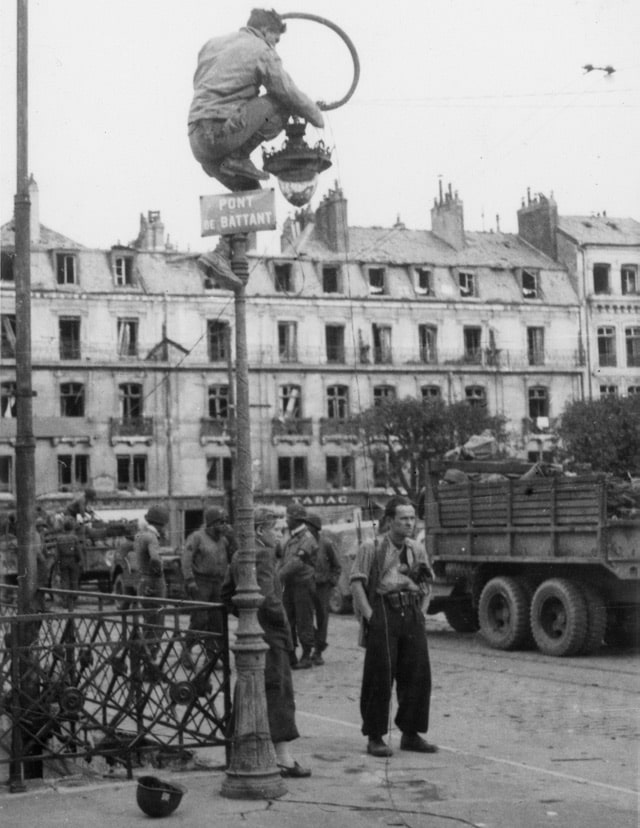
Open since 1971, the Museum of the Resistance and Deportation in Besançon is a leading museum dedicated to the history of World War II.
After 15 years of planning and a 3-year closure for renovations, the museum reopened its doors on September 8, 2023. The renovation aimed to redesign the exhibition spaces, make the museum accessible to all, and create a setting specifically dedicated to the museum’s treasure: the art collection from the deportations. Today, the museum seeks to reexamine its various missions to become an institution of knowledge and history—a place intimately connected to society and the world in which it exists—a “history museum, a tool for civic engagement.”
It now features three separate exhibition spaces:
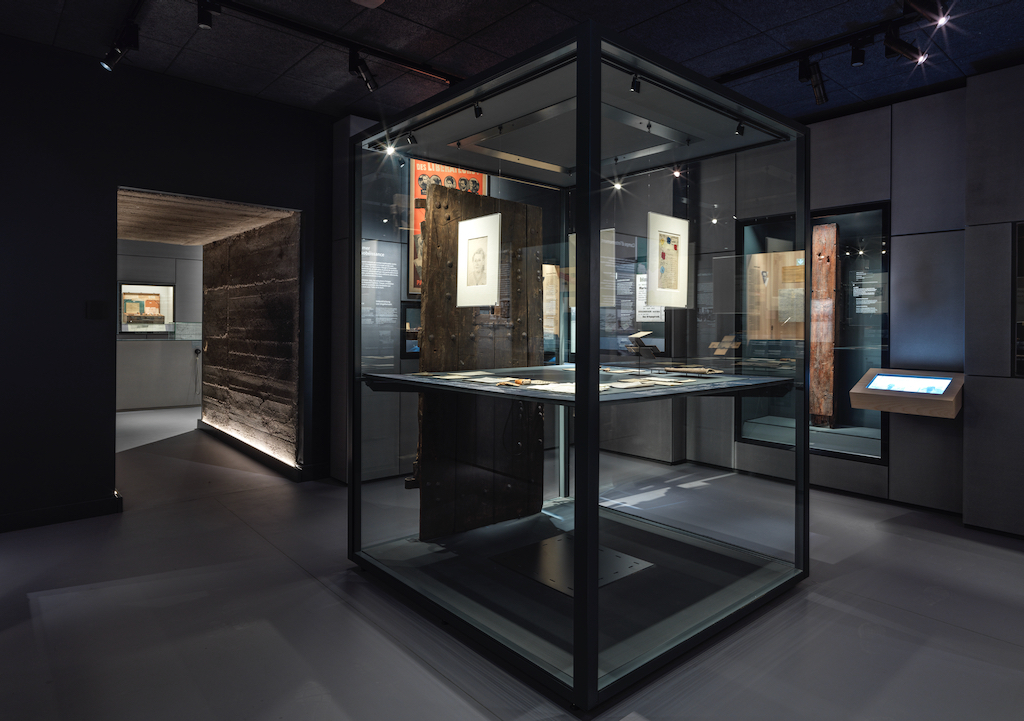
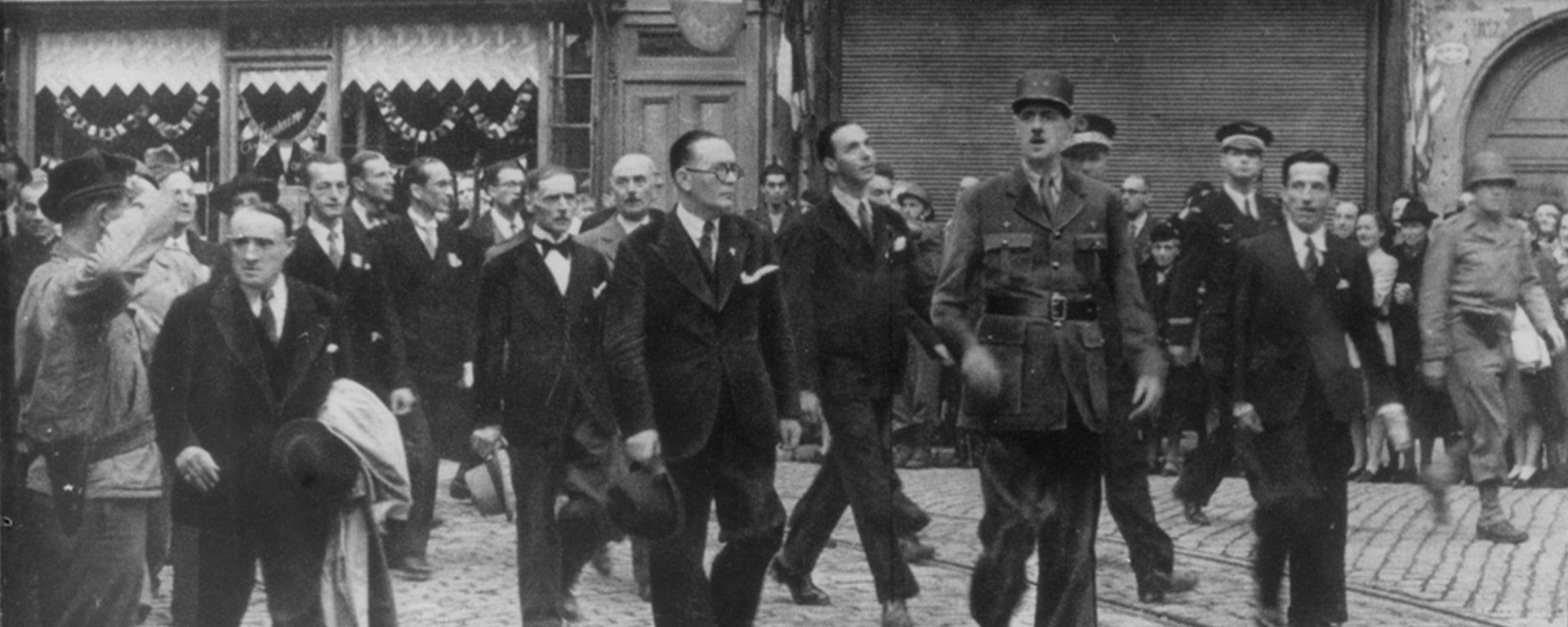
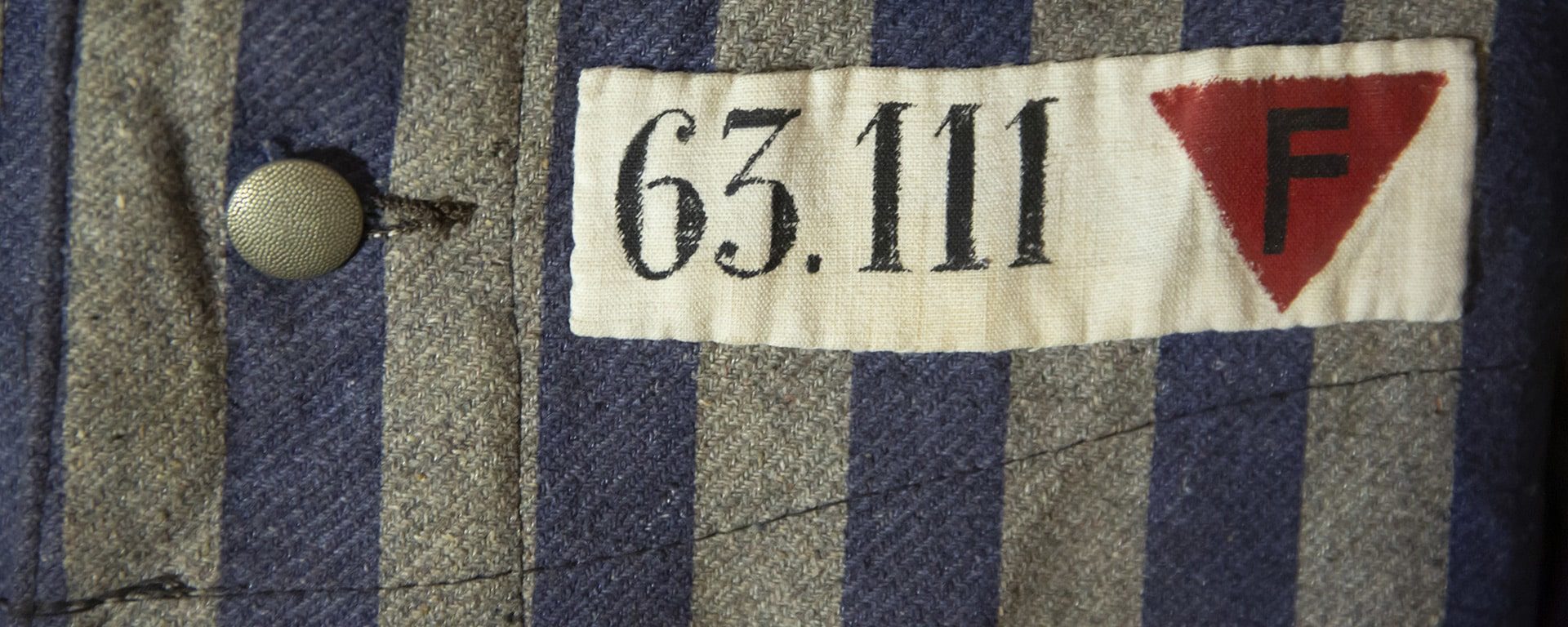
Through more than 500 artifacts and archival materials, it offers a deep dive into the complexities of the history of World War II in France.
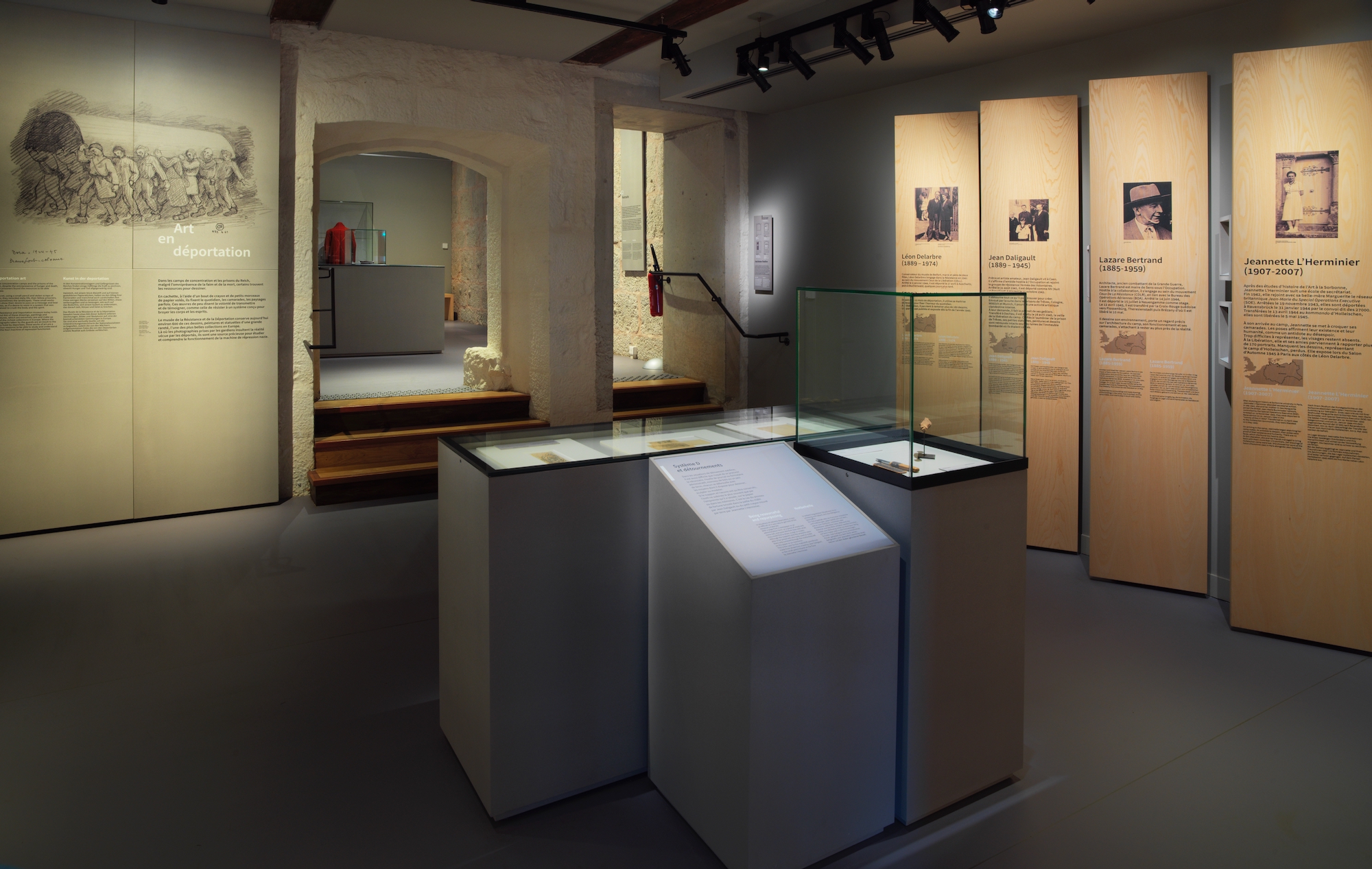
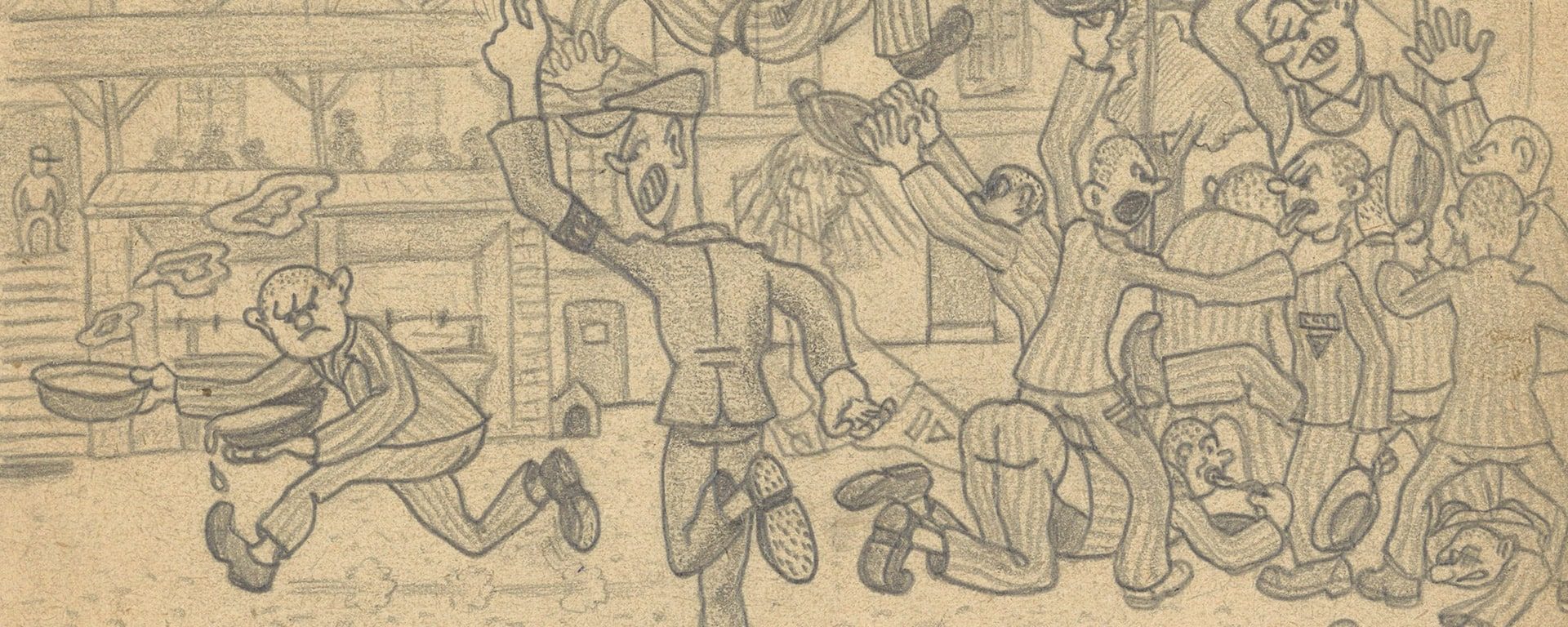
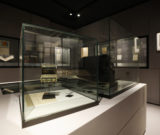
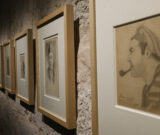
A one-of-a-kind venue in France, it offers visitors the chance to view a selection of the 600 drawings, paintings, and statuettes created in secret by deportees in the Reich’s camps and prisons—one of the most extensive collections of its kind in Europe.
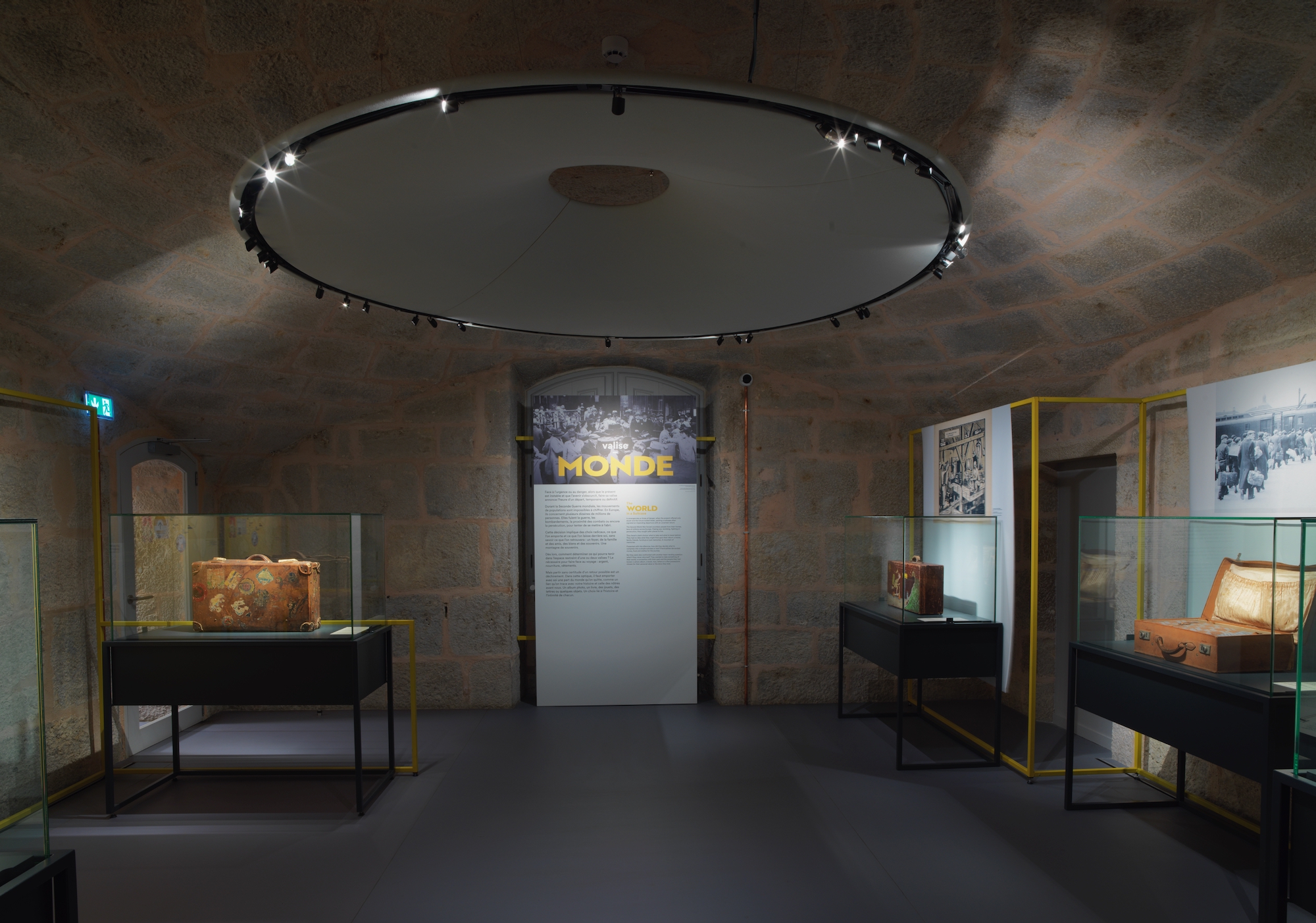
The Temporary Exhibition Space
Every year, the museum presents a new temporary exhibition in a dedicated space.
Calendar
Spotlight on ...
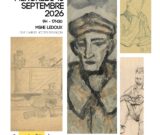
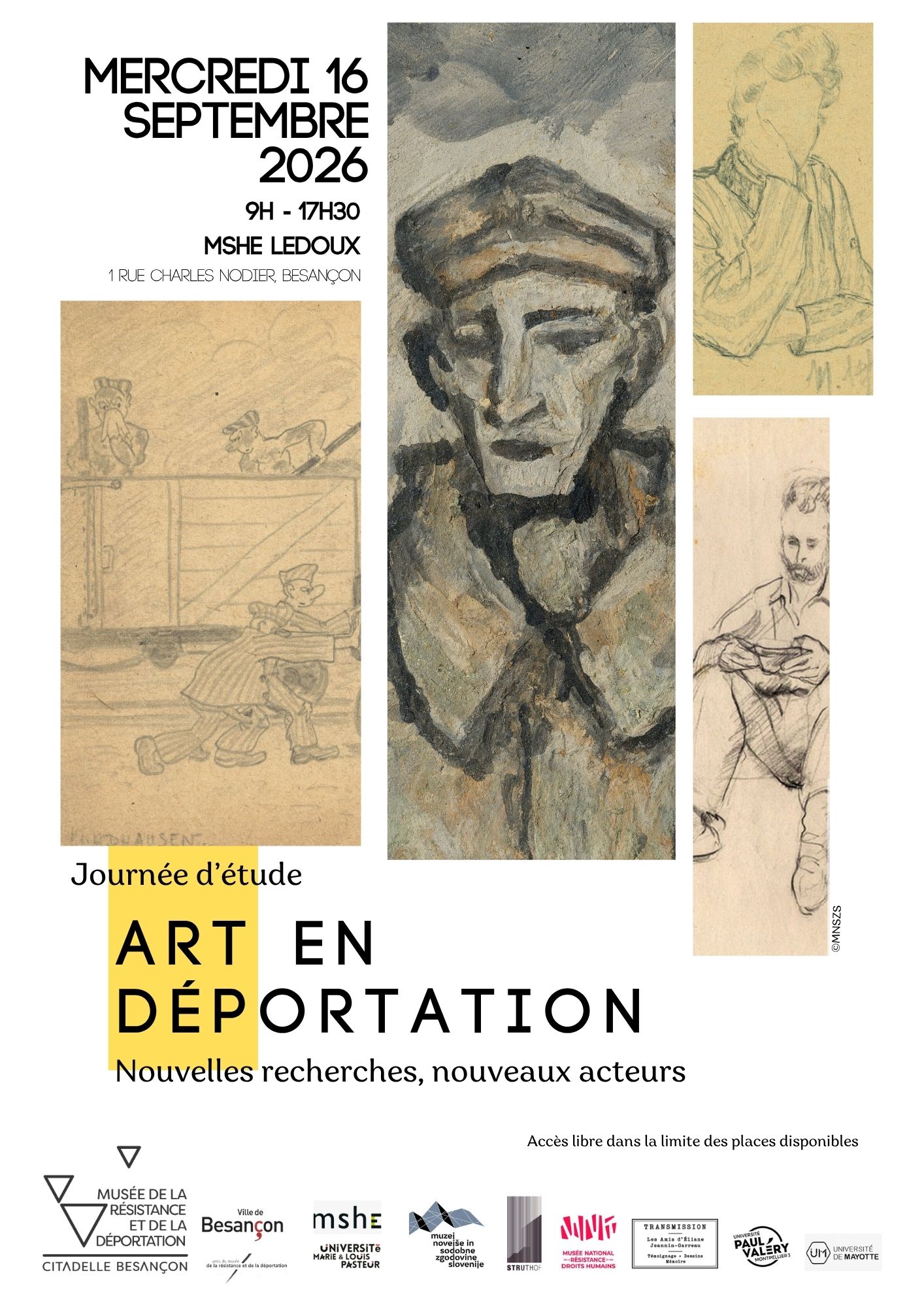
Journée d’étude : Art en Déportation le mercredi 16 septembre 2026
Dans le prolongement d’un partenariat franco-slovène entre le Musée de la Résistance et de la Déportation de Besançon et le Musée National d’Histoire Contemporaine de Slovénie, cette journée d’étude gratuite et ouverte à tous propose d’explorer les enjeux liés aux œuvres d’art réalisées en déportation. Professionnels des musées, chercheurs et acteurs associatifs partageront leurs regards sur la collecte, la conservation, l’étude et la transmission de ce patrimoine exceptionnel. Une journée de réflexion pour mieux comprendre ces œuvres, leur contexte de création et la mémoire qu’elles portent.
Programme :
- 8h30 : Accueil des participants
- 9h – 10h45 : Conserver et transmettre – Retours d’expérience de professionnels de musées européens. (Slovénie, Luxembourg et France)
- 11h – 12h15 : Phosphorer (partie 1) – Regards de chercheurs en histoire de l’art et histoire contemporaine et temps d’échange.
- 12h15 – 14h : Pause déjeuner.
- 14h05 – 15h : Phosphorer (partie 2) – Nouvelles recherches sur l’art en déportation.
- 15h20 – 17h10 : Valoriser et incarner – Témoignages d’auteurs, d’associations et d’acteurs engagés dans la transmission de la mémoire.
- 17h30 : Clôture de la journée.
Practical Information:
- Learn More
- Accès libre et évènement gratuit
- Lieu : Maison des sciences humaines et environnementales Claude-Nicolas Ledoux (MSHE), 1 rue Charles Nodier, Besançon
- Horaires : de 09h00 à 17h30