
Illustration: The Citadel of Besançon Illustration: The Citadel of Besançon Illustration: The Citadel of Besançon Illustration: The Citadel of Besançon Illustration: The Citadel of Besançon Illustration: The Citadel of Besançon Illustration: The Citadel of Besançon

UNESCO logo The Citadel of Besançon Protecting Your Assets

An iconic landmark of the city of Besançon, the Citadel is a major cultural and tourist attraction. Listed as a UNESCO World Heritage Site, this major work by Vauban is considered a universal treasure to be carefully preserved. Both striking and majestic, this three-century-old structure is nonetheless accessible to anyone who wishes to uncover its secrets and discover the treasures it holds!

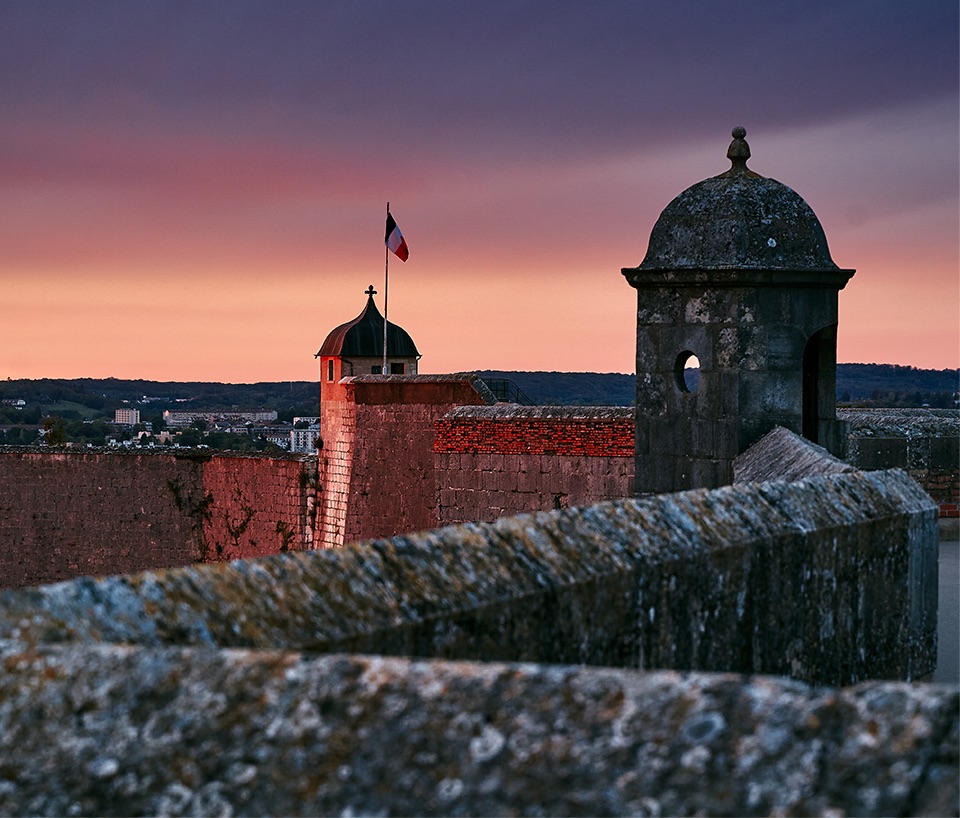
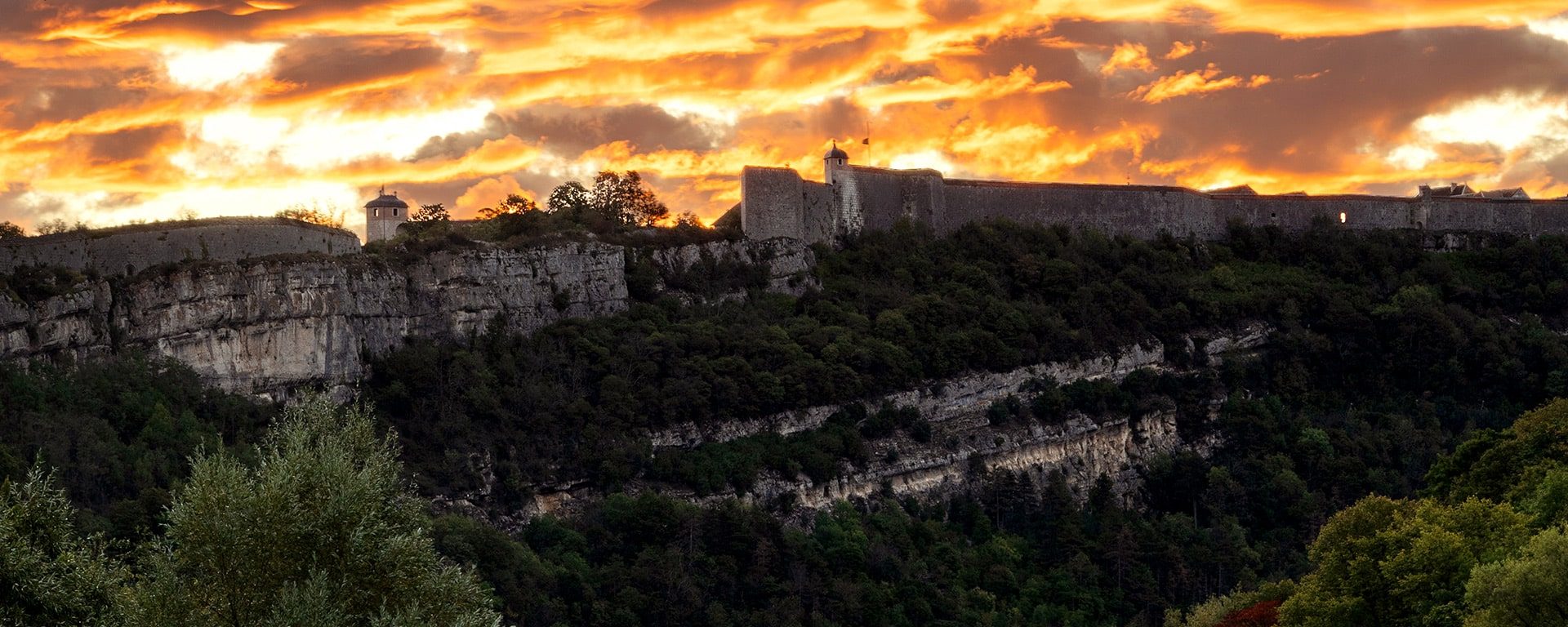
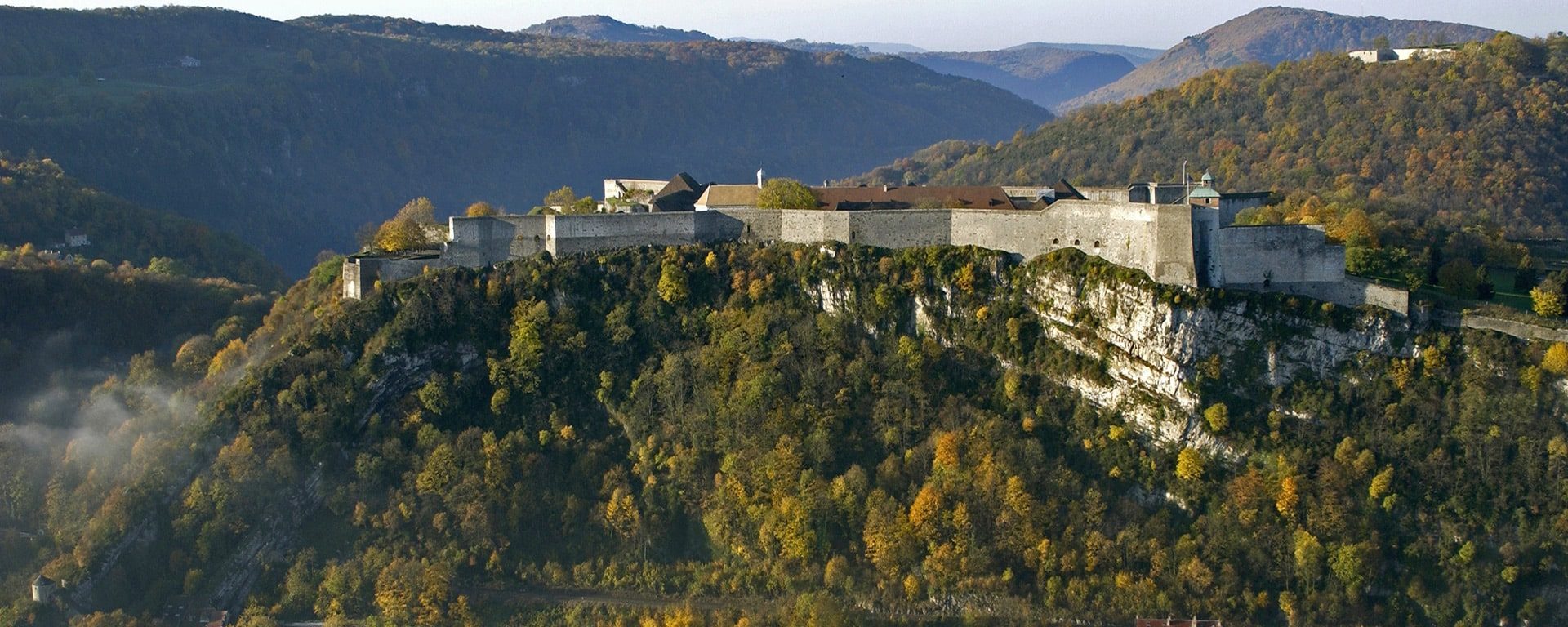
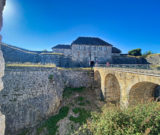
Photo of part of the Besançon Citadel

One of the most beautiful citadels
in France

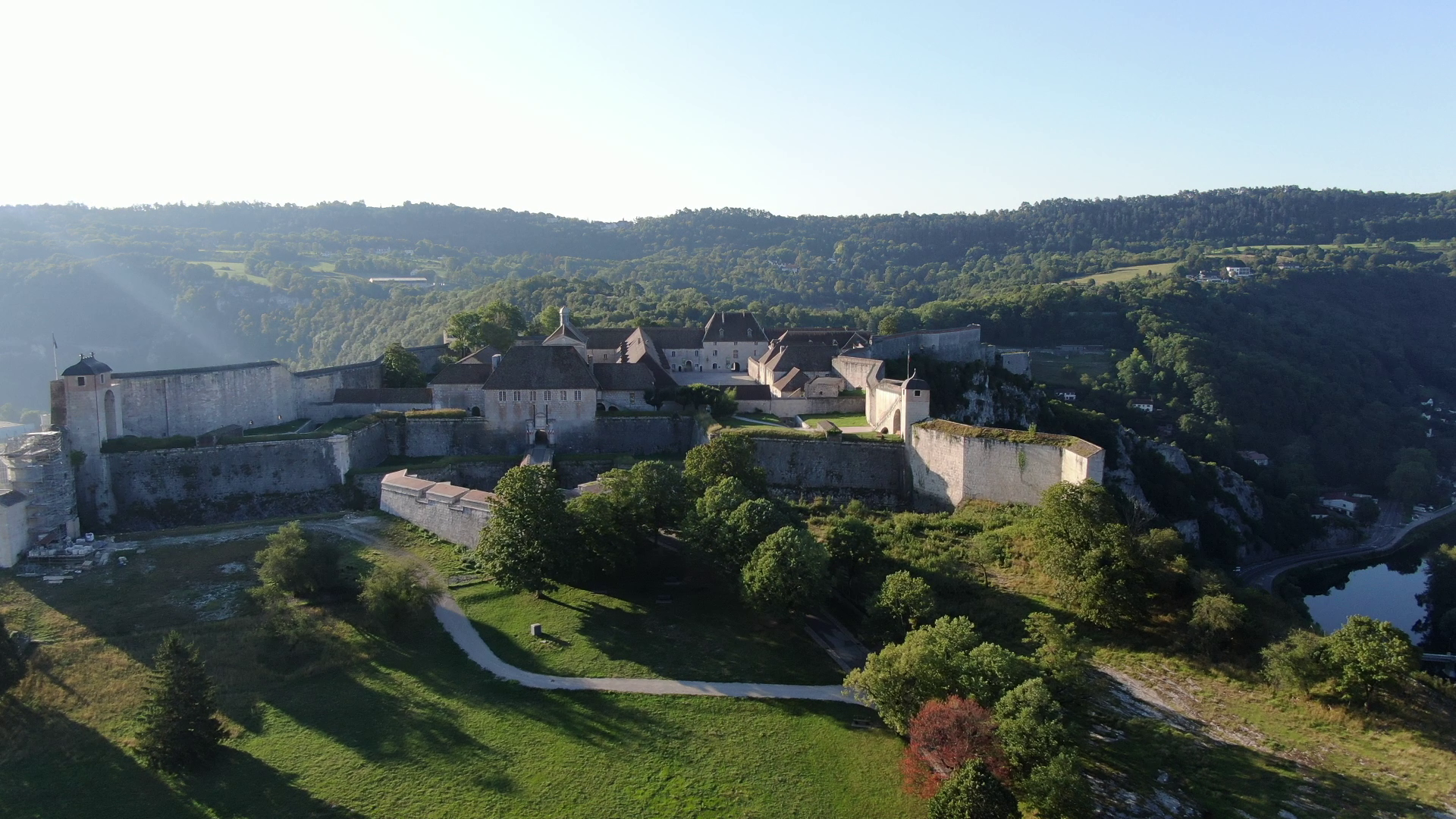
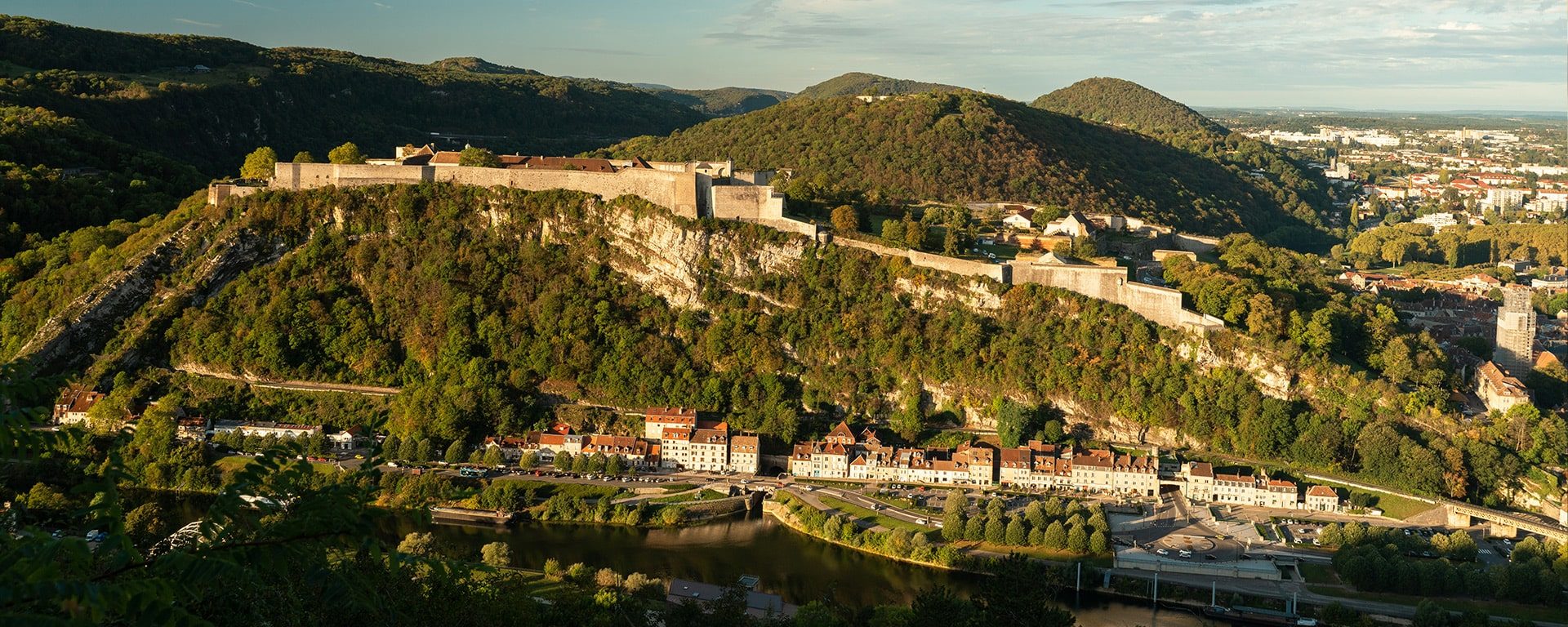
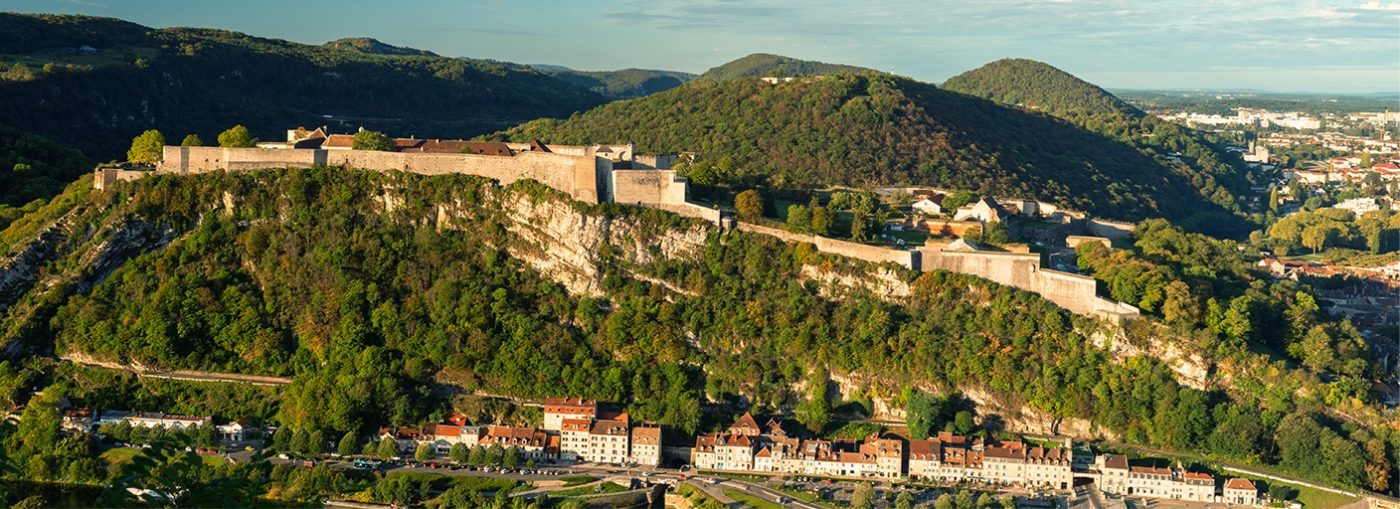
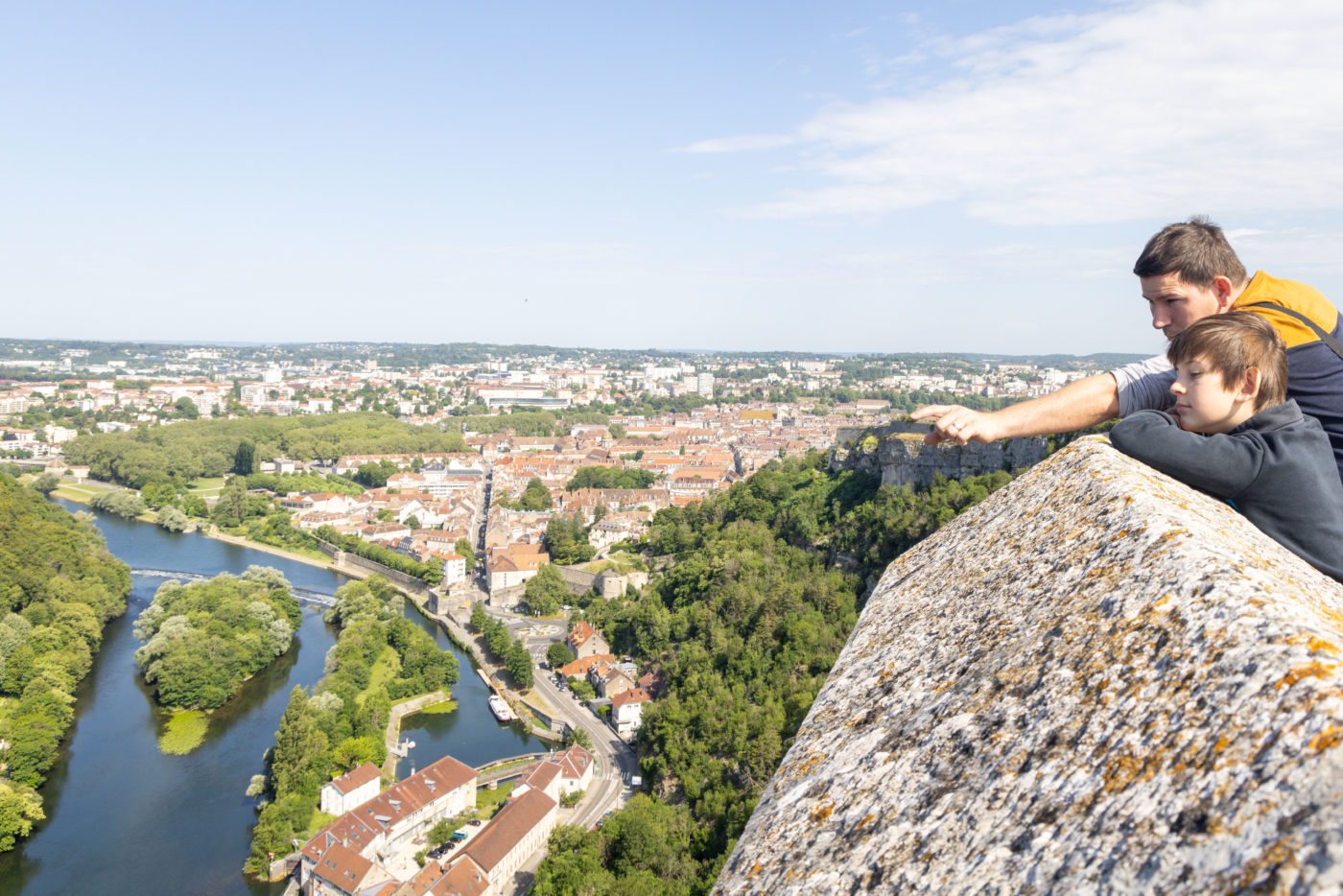
From the top of its ramparts, three centuries gaze down upon you… Completed in 1684, this masterpiece of bastion architecture designed by Vauban is considered one of the most beautiful citadels in France. Towering more than 100 meters above the old town of Besançon, which lies nestled within a meander of the Doubs River, it also offers stunning views of the surrounding hills. A vast area—no less than 11 hectares!—now dedicated to culture and tourism, the Citadel has served over the centuries as a barracks, a training ground for future officers—“the cadets”—a state prison, and a military penitentiary.

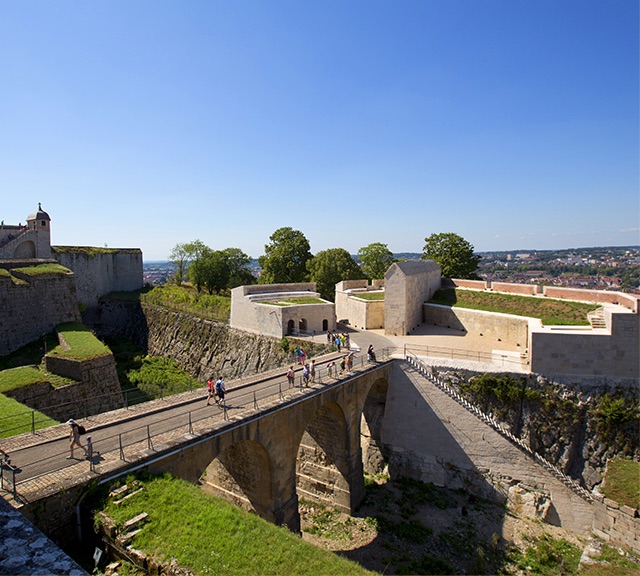
Side view of the Besançon Citadel

A Stroll Through the Citadel

To learn more about the Citadel and its history, head to the Saint-Étienne Chapel, located at the heart of the site: a multimedia show there transports you through time and space to discover the key moments that have shaped Besançon and the monument—shown continuously, with three screenings per hour.
The tour continues in the Bâtiment des Cadets, with the Espace Vauban: four exhibition halls provide all the insights needed to understand the site.

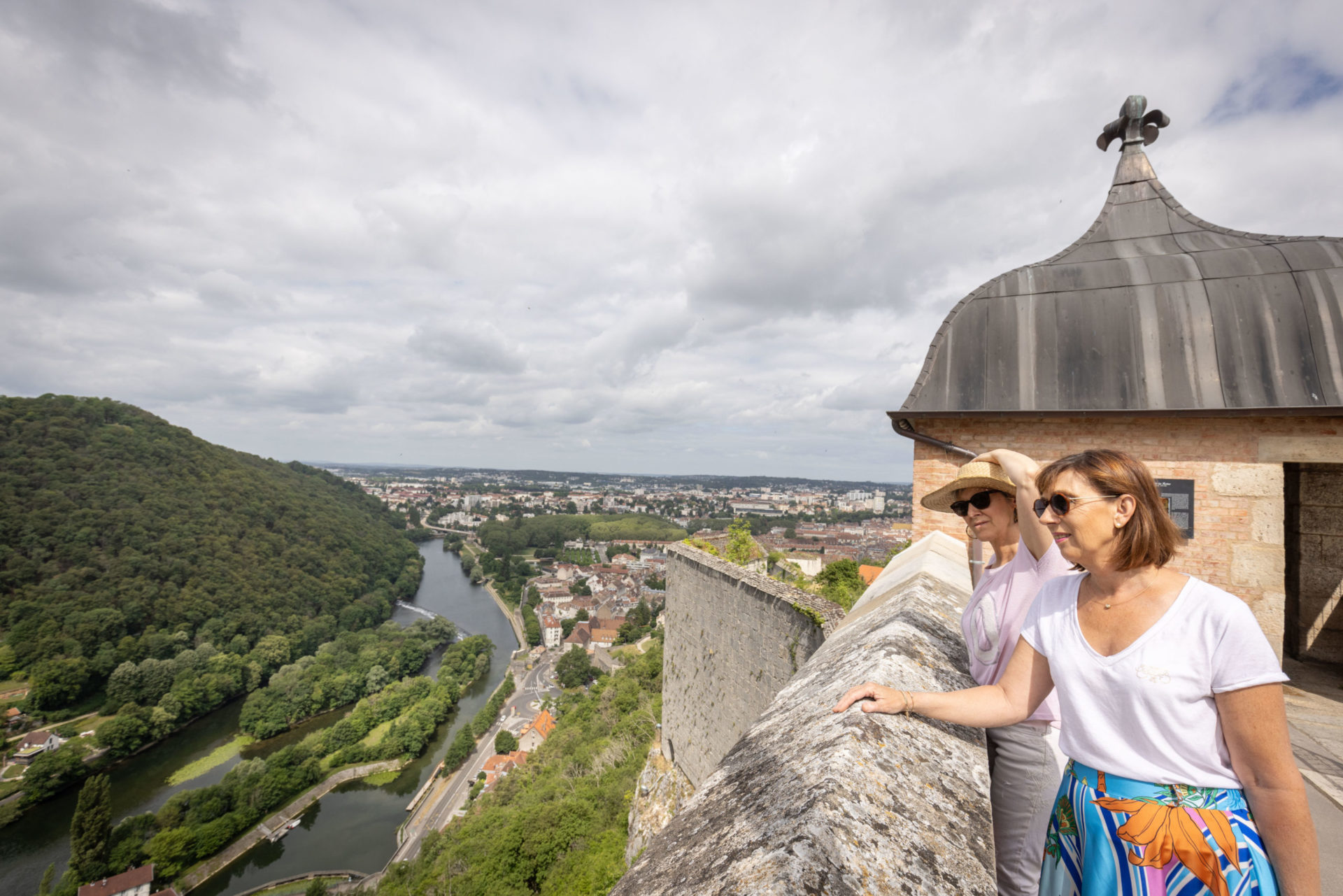
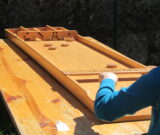
With these basics in mind, you’ll see the Citadel in a whole new light: climb up to the ramparts to enjoy the exceptional panoramic views of the city of Besançon and the natural landscape that surrounds it. To explore further, follow the signage and educational panels along the way, or try out the tour and interactive games—accessible to everyone—on the MaCitadelle app.
Or why not join one of our many guided tours?

Take in the breathtaking panoramic views and let yourself be swept away by the magic of the scenery at the Citadel and the surrounding nature

Play from home with Vauban!

Check out our printable activities for all ages: make Vauban’s wig, build a model barracks, test your memory with the Vauban Memory Game, create napkin folds fit for a royal table (fleur-de-lis, fan, candle, leaf, artichoke), and take on a math challenge to help Vauban plan rations for a siege. Download the PDF worksheets, get comfortable… and let yourself be transported into the heart of the Citadel’s world!

Game #1: Vauban Memory Game – DOWNLOAD

Activity #2: Make Vauban's Wig – DOWNLOAD

Game #3: Napkin-Folding Workshop! – DOWNLOAD

Game #4: Math Challenge – DOWNLOAD

Activity #5: Build a model of a barracks – DOWNLOAD
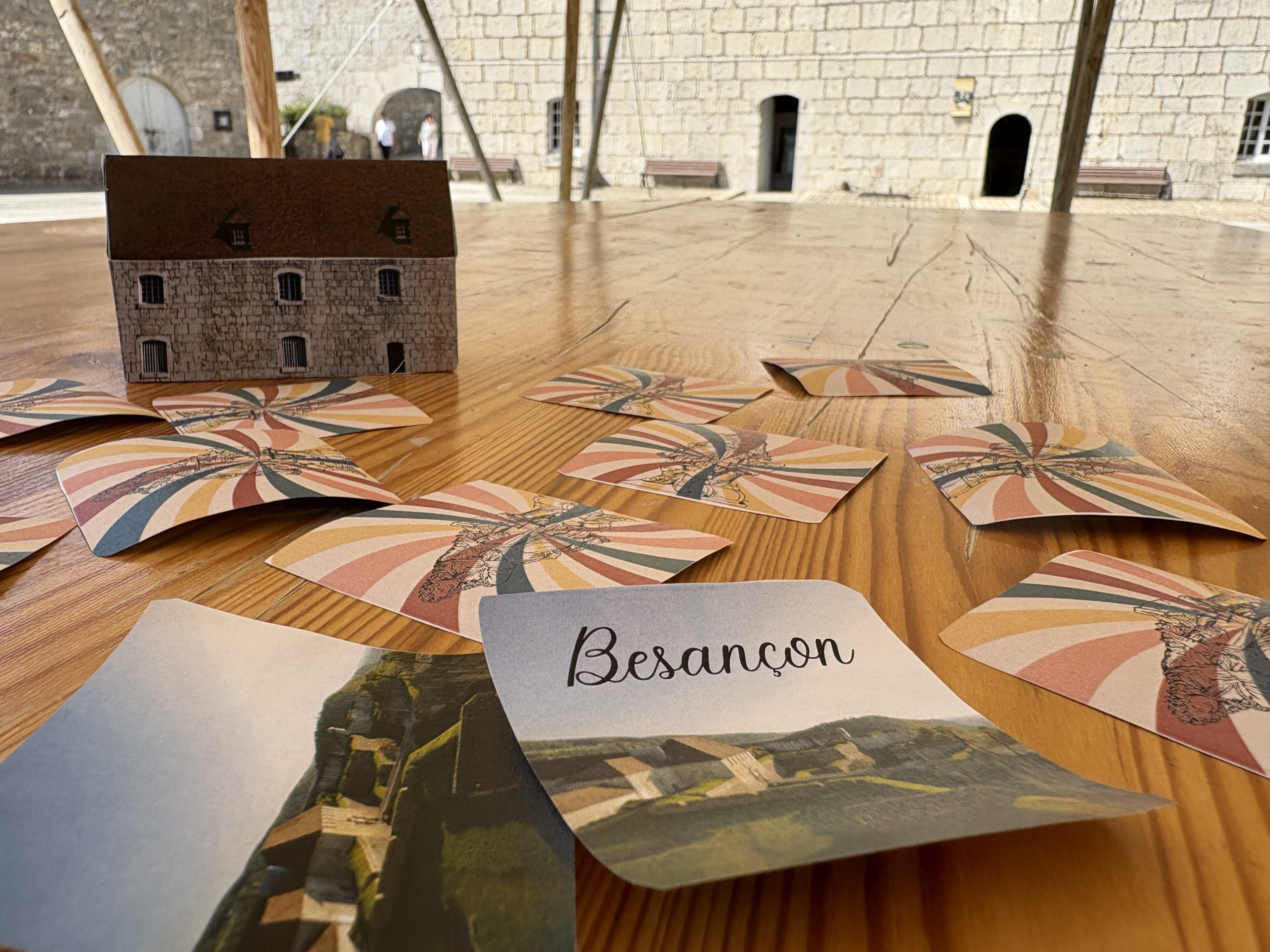
Play from home with Vauban!
Women at the Citadel

Spotlight on ...

Women at the Citadel

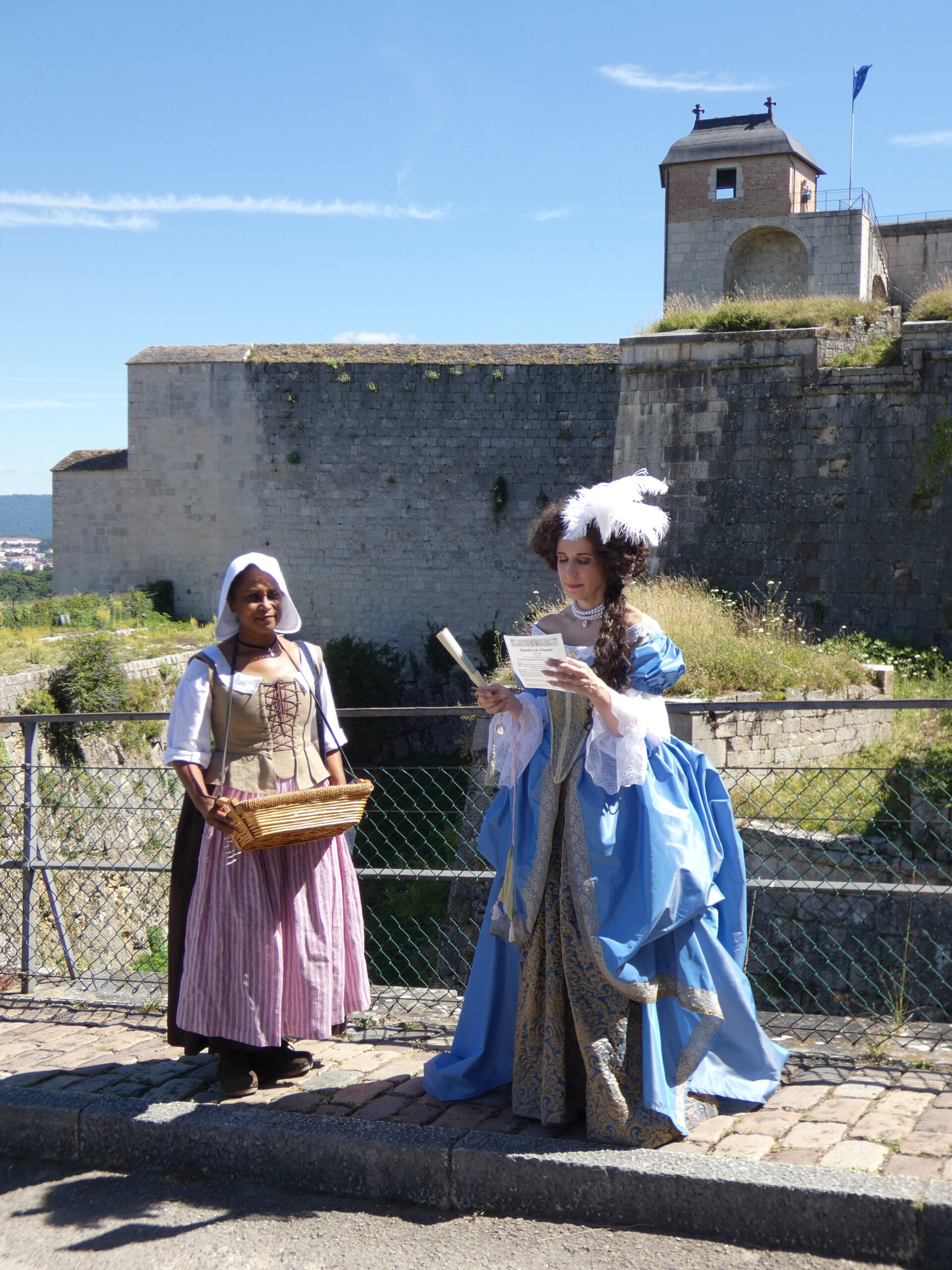
Beyond its defensive and law-enforcement role, the Besançon citadel served to house a large garrison of soldiers—all of whom were men at the time. But the fortress also sheltered women. Indeed, some soldiers and officers were granted special permission to live with their families on site. The wives thus had a role to play within the fortress. One of them, Jeanne Petitjean, ran the citadel’s inn with her husband. She was described as an “honorable woman.” Their ten children were baptized in the chapel. Inthe 17th century, the governor, Louis Fabry de Moncault, also lived there with his wife and their children. Her name was Catherine d’Aubarède, and she became the godmother to some of the children born in the fortress. All this information has come down to us thanks to the chapel’s register, now preserved at the Bibliothèque d’Étude et de Conservation in Besançon. Since the citadel served as a prison, women were also imprisoned within the fortress. These included women accused in the famous Affair of the Poisons: Madame Baptiste, Marguerite Faivre, Jeanne Alexandre, Madeleine de Ris, and the Countess Bachimont. The latter was suspected of having poisoned her first husband. During her incarceration at the citadel, the governor continued to interrogate her about her accomplices on the orders of Minister Louvois.

A Remarkable Heritage

In 2003, Besançon launched a project to have Vauban’s work inscribed on the UNESCO World Heritage List, with the support of the Ministry of Culture and Communication. Together with eleven other sites, the city forms the Network of Major Vauban Sites. All were inscribed on the World Heritage List on July 7, 2008: a wonderful recognition of the universal value of Vauban’s work and the need to protect it. The city’s fortifications and the Citadel are, in fact, the subject of an ongoing restoration program. To showcase this jewel of military architecture while preserving its original appearance, technical expertise and exemplary standards are essential. For example, the expertise of traditional craftsmen is heavily relied upon, thereby promoting the mastery and transmission of these skills. Every summer, the Citadel offers a group of young volunteers the opportunity to engage with this heritage by participating in its preservation through a work camp.

Eight more UNESCO sites to explore in Bourgogne-Franche-Comté.

A Remarkable Heritage